
Acupuncture
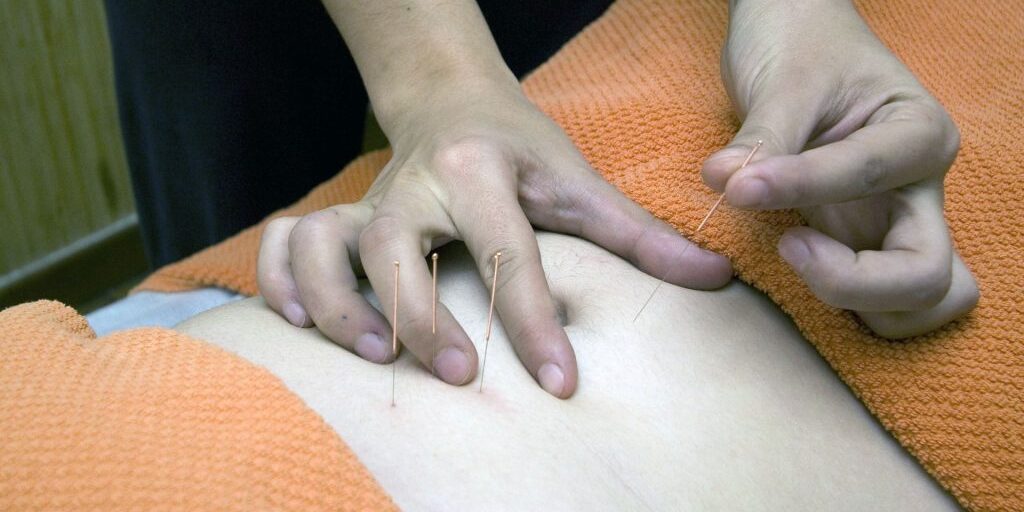
What is Acupuncture?
Acupuncture is a therapeutic technique that involves the careful insertion of ultra-fine, sterile needles into designated points on the body. This practice aims to alleviate various symptoms and enhance overall well-being. Originating from ancient Chinese medicine, acupuncture has been utilized for thousands of years to promote health and balance within the body.
Physiotherapists in Manitoba must undergo additional training to provide acupuncture services.
How Does it Work?
In traditional theory, the body is thought to contain pathways, commonly referred to as meridians, through which vital energy circulates. Acupuncture points are strategically located along these meridians, and stimulating them is believed to aid in restoring the body's balance.
Acupuncture, viewed through a contemporary scientific lens, is believed to function primarily by activating nerves located in the skin and muscles, which in turn affects the brain and spinal cord. This practice also stimulates the release of natural pain-relieving substances, such as endorphins. Ultimately, acupuncture alters the way pain and other sensory signals are interpreted within the nervous system.
What Conditions Does Acupuncture Treat?
Acupuncture is frequently utilized as a complementary therapy for various conditions, including chronic pain such as back, neck, and knee discomfort. It is also effective in addressing headaches and migraines, as well as alleviating symptoms related to stress and tension. Additionally, acupuncture can provide relief for certain cases of nausea and fatigue.
What are the Treatment Sessions Like?
During a session, individuals typically experience a slight pinch as the needle is inserted, followed by sensations such as a dull ache, warmth, heaviness, or tingling that lasts for a few seconds. The needles used are significantly thinner than those for injections, which contributes to the overall perception of the experience as relaxing. During the treatment, needles are strategically inserted at various points and left in place for 15 to 20 minutes. The practitioner may also manipulate the needles to enhance their therapeutic effects.
Acupuncture, when performed by a qualified practitioner using sterile, single-use needles, is typically regarded as a low-risk procedure. However, it is important to be aware that minor bruising or soreness may occur at the sites where the needles are inserted.
Does my Insurance Cover Acupuncture if it is Performed by a Physiotherapist?
While your insurance may cover acupuncture as part of your physiotherapy benefits, treatments performed by a physiotherapist cannot be billed under acupuncture coverage. It is advisable to consult your insurance provider for further clarification.
Book Today!
Acupuncture services are now available through two of our physiotherapists. Please book with Courtney Comrie or Gursewak Gill for this appointment type.
For insights into the differences between acupuncture and dry needling, check out our blog article. It offers clarity on the topic to help you make informed decisions about these therapies.


Book Your Appointment With Our Healthcare Professionals Today!
